

1. Insufficient Vacuum (Core Cause)
Vacuum Pump Malfunction: Check if the vacuum pump starts normally, if the air inlet is blocked, and if the oil level (for oil-type pumps) is up to standard. Repair the pump or replace seals if there’s abnormal noise or overheating.
Seal Failure: Aging/damaged seals at hoppers, pipes, or joints, or loose flange connections cause air leaks. Apply soapy water to check for bubbles; replace seals and tighten connectors.
Filter Clogging: Powder adhesion blocks airflow. Clean/replace filter elements; use anti-static, easy-to-clean filters for sticky powders.
2. Material Blockage
Suction Port/Pipe Blockage: Large particles or caked powder get stuck. Disassemble and clean; dry sticky materials in advance or add a sieving device at the suction port.
Discharge Valve Jam: Material buildup jams the valve. Clean the valve, check blade flexibility, and adjust blade gaps if needed.
3. Component Damage/Abnormality
Solenoid Valve Malfunction: Faulty solenoid valve disrupts vacuum. Check coil power and valve core; replace damaged valves.
Sensor Failure: Faulty level/pressure sensorscause misjudgments. Calibrate or replace sensors.
4. Incorrect Parameter Settings/Operation
Short Suction Time: Extend suction time in the control system to match material characteristics.
Mismatched Material Properties: Inappropriate equipment selection (e.g., low-power pumps for light powders) reduces suction power. Re-select equipment based on material density and particle size.
5. Preventive Suggestions
Regularly clean filters, pipes, and discharge valves to avoid blockages.
Inspect seals, solenoid valves, and sensors; replace aging parts timely.
Adjust suction time and vacuum based on material properties; add pre-processing devices (drying, sieving) if necessary.
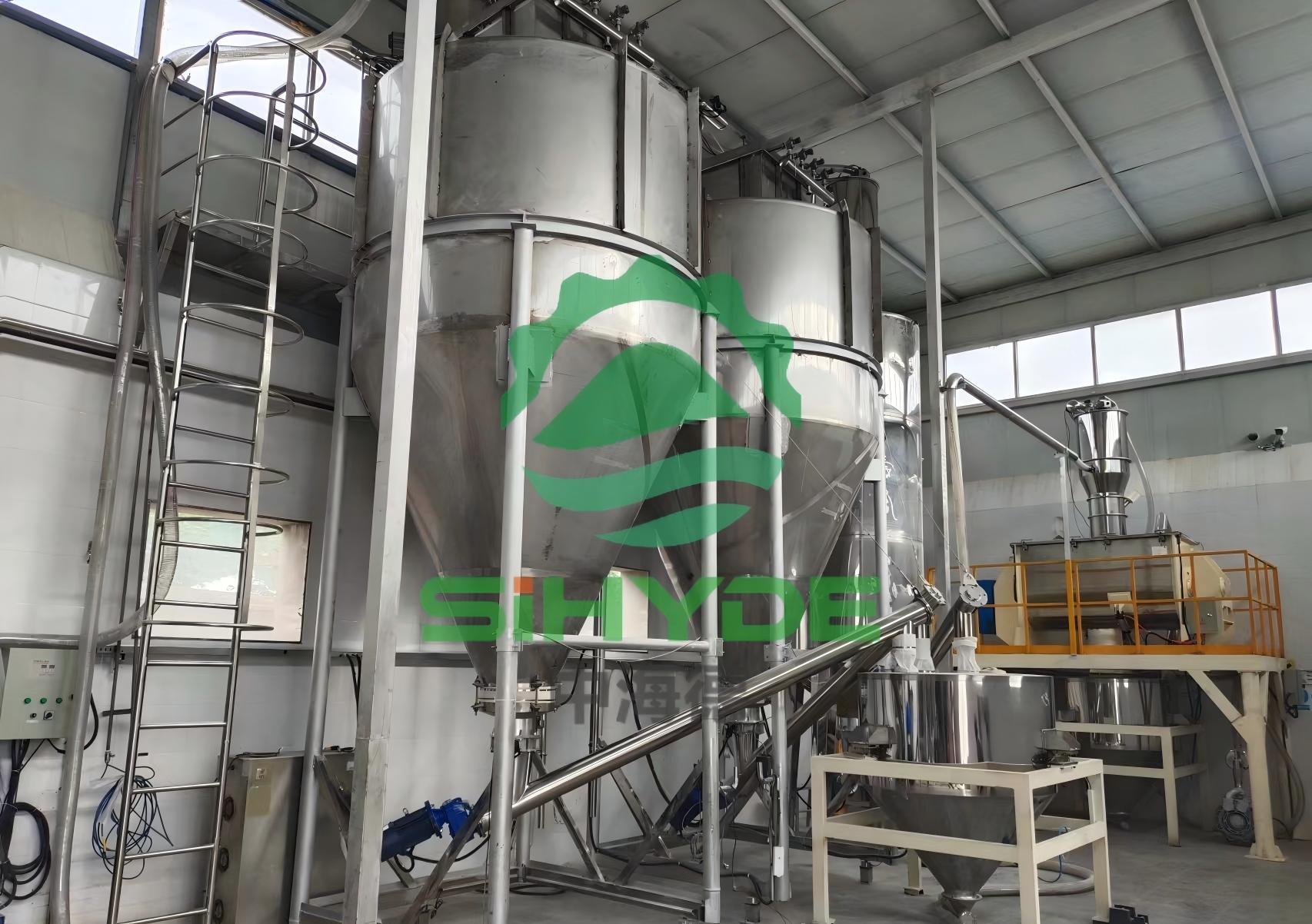
From troubleshooting to equipment selection, Sihyde focuses on customer needs. We provide customized vacuum loaders and automated equipment for powder conveying/ batching, with professional technical guidance to avoid operational risks.
